
Calamus oil
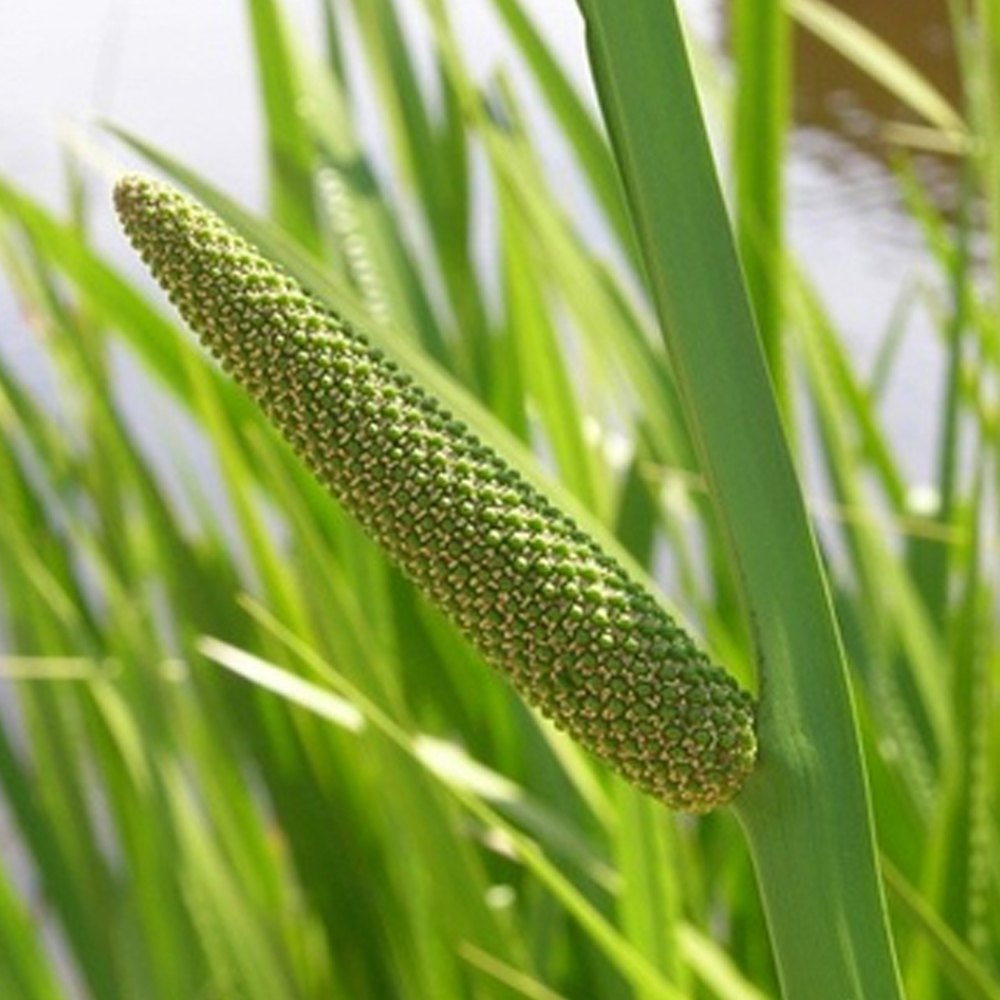
Originating from the rhizomes of the Acorus calamus plant native to Asia and Europe, calamus oil is celebrated for its warm, spicy, and woody fragrance. Traditionally sourced from countries such as India, China, and Egypt, calamus has a rich cultural heritage and a long history of use.
Calamus Oil Specifications:
General Characteristics:
- Product: Calamus Oil
- Botanical Name: Acorus calamus
- Family: Acoraceae
- Part of the plant used: Rhizomes
- Appearance: Viscous liquid
- Colour: Pale yellow to brown
- Odour: Warm, spicy, and woody aroma
Identification:
- A. TLC: Complies with test
- B. GC: Complies with test
Physio-Chemical Properties:
- Relative density: 0.920 – 0.950
- Refractive index at 20°C: 1.500 – 1.510
- Optical rotation: (-20°) – (+20°)
- Storage: Store in a tightly sealed container away from heat and light
Calamus Oil History: With roots tracing back centuries, calamus oil has been revered for its aromatic and therapeutic properties. Historically, it was prized for its scent and used in perfumes, incense, and traditional medicine for its various health benefits.
Industrial Uses: Calamus oil finds extensive applications in the fragrance and flavor industry. It serves as a valuable ingredient in perfumes, cosmetics, and aromatherapy products, offering a warm and invigorating olfactory experience.
Properties:
- Synonyms: Sweet Flag Oil, Calamus Root Oil
- Botanical Name: Acorus calamus
- Part Used: Rhizomes
- Color: Pale yellow to brown
- Viscosity: Medium
- Perfumery Note: Base note with a warm, spicy aroma
- Shelf Life: Three years
- Density: 0.920 – 0.950
- Refractive Index: 1.500 – 1.510
Extraction: Calamus oil is extracted through steam distillation from the rhizomes of the Acorus calamus plant. The process yields a viscous and aromatic oil prized for its therapeutic and aromatic properties.
Ecological Information: Acorus calamus plants thrive in wetlands and along riverbanks, preferring moist and well-drained soils. They are primarily found in regions across Asia and Europe, contributing to the local biodiversity.
Proven Uses and Benefits:
- Calamus oil exhibits antimicrobial and anti-inflammatory properties.
- It is valued in traditional medicine for its therapeutic effects on digestive and nervous system disorders.
- In perfumery, calamus oil is prized for its warm, spicy scent, often used as a base note in fragrances.
Abstract or How to Extract it? Calamus oil comprises a complex blend of volatile compounds, including asarone and other sesquiterpenes, responsible for its distinctive aroma and therapeutic properties.
Concoction: Calamus oil blends harmoniously with complementary essential oils such as cinnamon, clary sage, and lavender, enhancing its warmth and depth.
Safety Measures:
- Eye Contact: Flush with water and seek medical attention if irritation persists.
- Skin Contact: Wash thoroughly with soap and water. Seek medical advice if irritation occurs.
- Inhalation: Move to fresh air and seek medical attention if breathing difficulties arise.
- Ingestion: Do not induce vomiting. Seek immediate medical assistance.
Storage and Handling: Store calamus oil in a cool, dark place away from direct sunlight and heat sources. Ensure containers are tightly sealed to prevent oxidation and evaporation.
Toxicological Information: Calamus oil contains natural compounds and should be used with caution. High concentrations may cause skin irritation or allergic reactions in sensitive individuals.